How Kozijnshop visualizes their entire product range with Nova
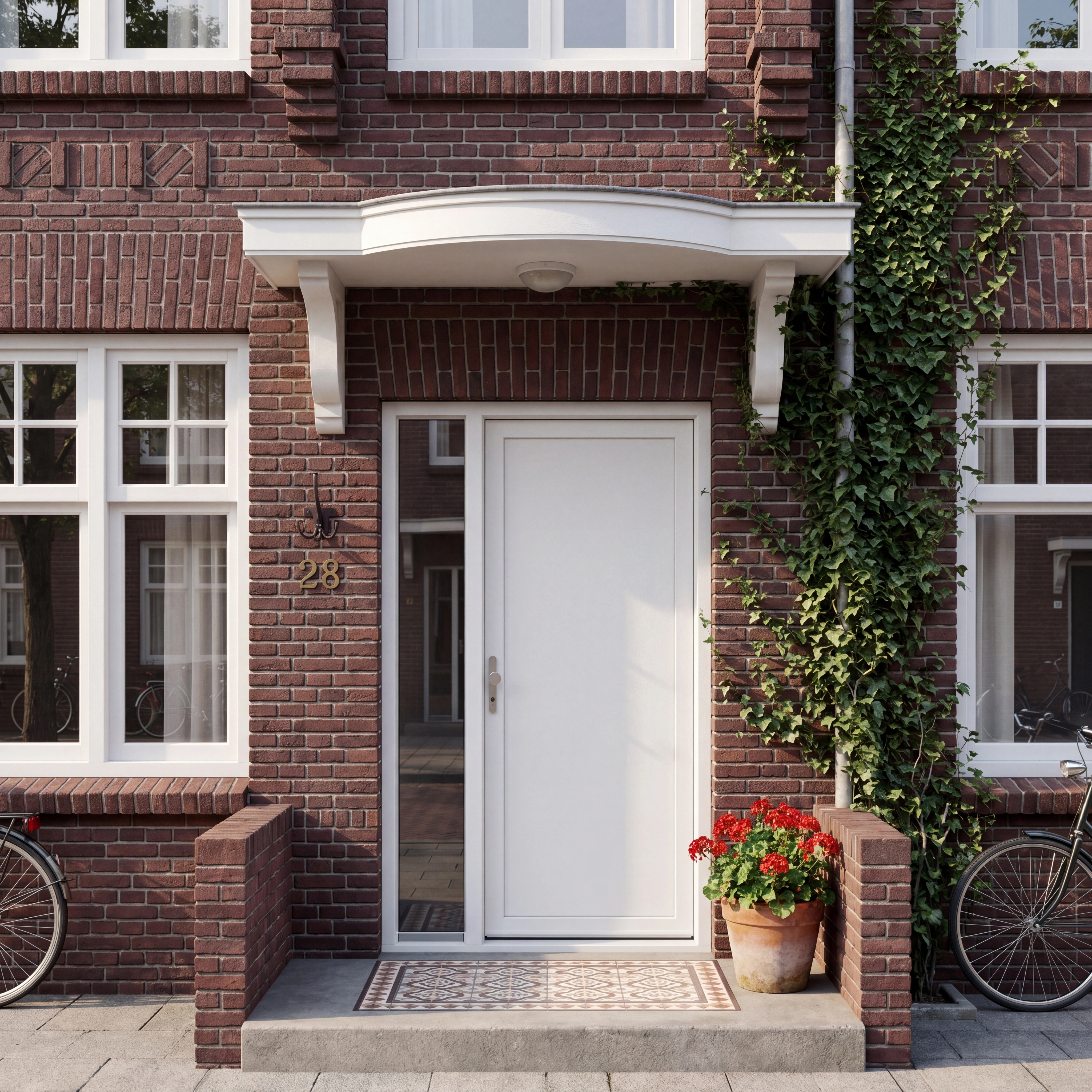
Visualizing hundreds of window frame variants, without a single photoshoot.
Kozijnshop.nl is the leading Dutch specialist in custom window frames and doors. From their base in Rijssen, they deliver wooden, PVC, and aluminum frames across the Netherlands, from window frames and doors to sliding systems and dormer windows.
Everything made to order, everything through an online webshop where customers assemble their ideal frame and receive delivery within six working days.
But a webshop like that only works with strong visuals. Because how do you show possible combinations when every frame is slightly different?
Challenge
A window frame is a matrix of choices: material (wood, PVC, or aluminum), type (window, door, sliding system, dormer), color, dimensions, glass type, and profile layout. Multiply those options together and you quickly reach thousands of unique combinations. For each one, the customer wants to see what they're getting. And for marketing, Kozijnshop needs lifestyle images showing how those frames look in actual Dutch homes.
Traditional photography is simply unfeasible for this type of assortment. You can't physically produce and photograph every frame. And for lifestyle images, each variant would need a different location, lighting setup, and setting. It doesn't scale, it costs too much, and it slows down the speed Kozijnshop is known for.
Solution
Together with Nova, Kozijnshop built a digital product pipeline around their range. For each frame type, one 3D model serves as the "product truth." From that model, Nova generates two types of visual content.
First, packshots at scale: standardized product images for every variant in the webshop, in every profile layout. Consistent in angle, lighting, and composition, so the customer can always make a fair comparison between options.
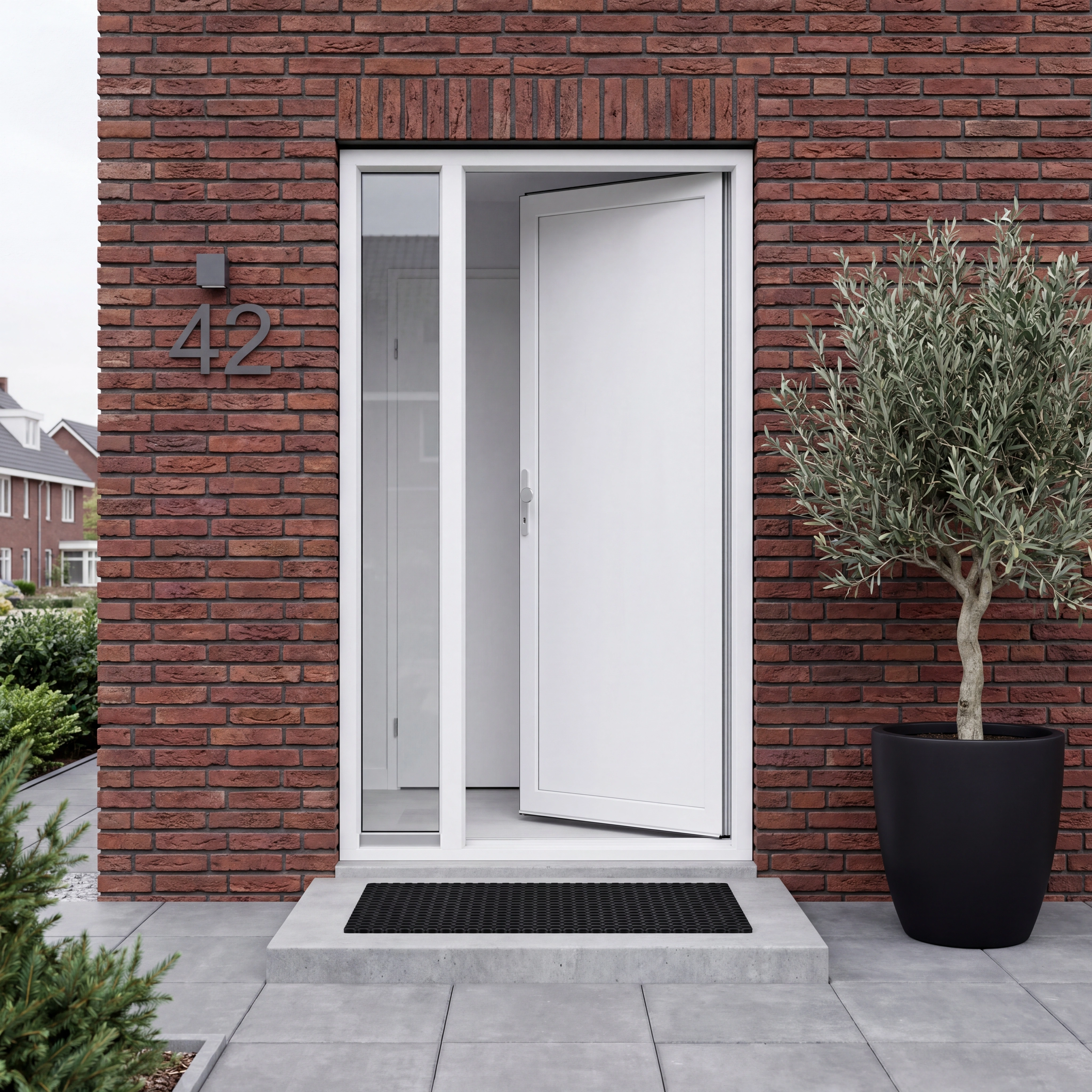
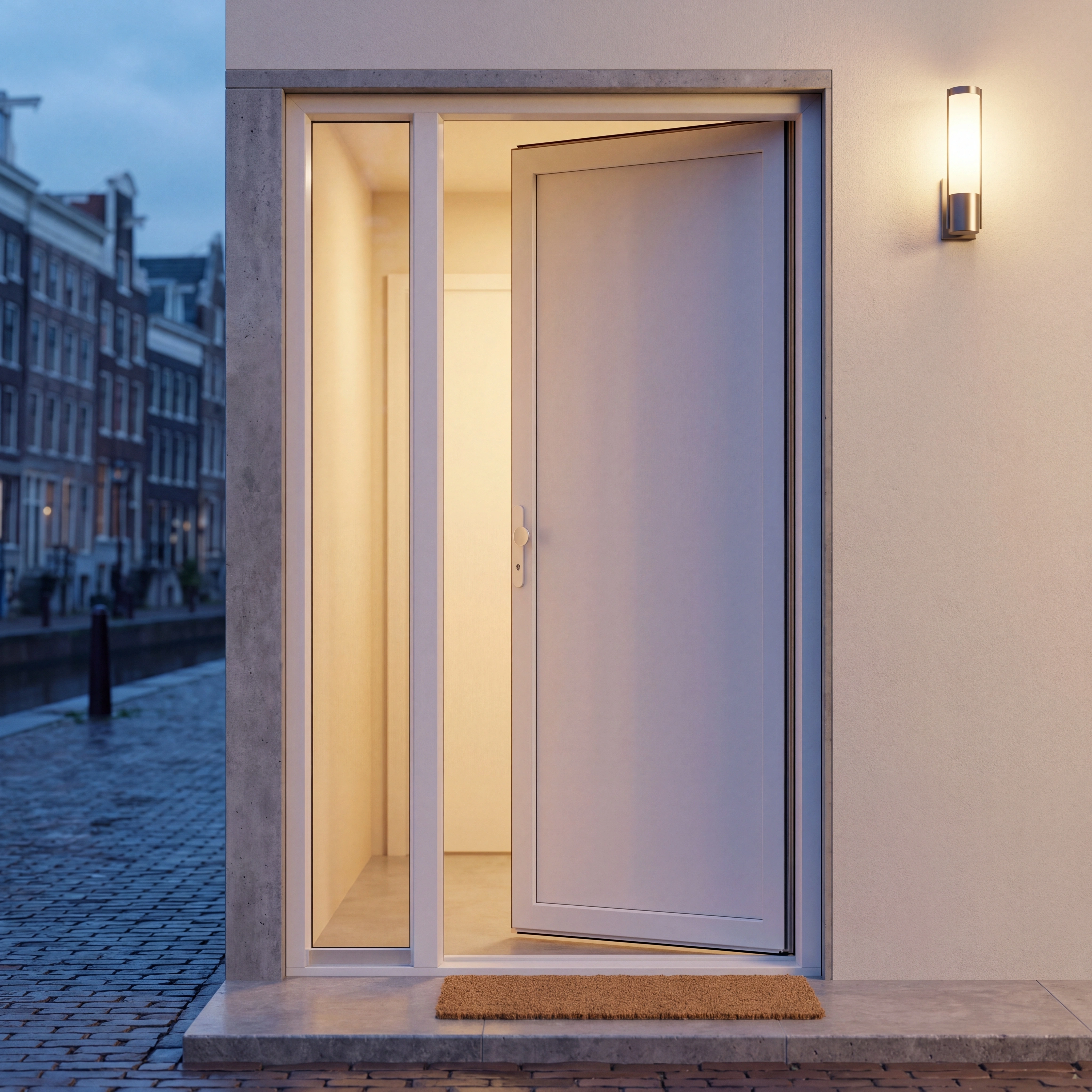
Second, AI lifestyle images: frames placed in realistic Dutch living environments. A white PVC sliding door in a modern rear facade. A wooden front door in a 1930s home. All generated from the same 3D model that powers the packshots, driven by Nova's AI Studio via the Digital Product Identity.

Every configuration gets its own image
Where customers used to see a generic image with a separate color swatch beside it, Kozijnshop visitors now see exactly what their specific frame looks like. Change the color, switch the material, adjust the profile: the image scales along. No more confusion about what the end result will actually look like.
Lifestyle images that resonate with the Dutch market
For marketing, social media, and the top of product pages, Kozijnshop generates lifestyle images inside Nova that show how the frames look in various Dutch living situations. From new development neighborhoods to characterful pre war homes. Imagery that feels familiar to the Dutch audience, without a single on location photoshoot.
Results
Visual coverage of the complete range
Every variant in the webshop is now visually covered, including combinations that previously couldn't be captured at all. That means less hesitation from customers and fewer support inquiries for Kozijnshop.
Going forward, Kozijnshop is now able to generate additional visuals within minutes, every angle in any imaginable setting.
Speed that matches the proposition
Kozijnshop delivers from six working days. Their visual content can now keep up with that pace. Adding new colors, profiles, or product types is a matter of expanding the 3D model and generating new images, not scheduling a new photoshoot.
One source for all channels
Packshots for the webshop, lifestyle images for campaigns, visuals for partners and installers: all generated from the same 3D models. That delivers a consistent brand experience, regardless of where the customer encounters the product.
Conclusion
Kozijnshop proves that even an diverse assortment can be fully visualized without traditional photography. By using one 3D model per product type as the foundation and use Nova togenerate both packshots and lifestyle images from it, they combine the speed of a modern online webshop with the visual richness customers expect.
One 3D model. Thousands of variants. Zero photoshoots.